You never forget the smell of a cooked breaker. It’s part singed plastic, part adrenaline. At 2:14 a.m., you step into a dark hallway with a flashlight clenched between your teeth, listening for the slight sizzle that tells you exactly which panel section is misbehaving. Emergency electrical services live in those moments: fast decisions, clean diagnostics, and repairs that hold up after the panic fades. The goal is https://privatebin.net/?0ca481ba16efb95c#AjUFqLrPeJKnkhzc8PRZYwBFHzyZEjvaKmJbyAkUJpFV not just lights back on, it’s confidence back on.
Across homes, retail spaces, busy restaurants, and industrial sites, the problems share patterns. The details, though, matter. Aluminum branch wiring in a 1970s condo behaves differently from aged EMT conduit in a warehouse. A modern panel with AFCI and GFCI protection gives you better clues than a rusted 60-amp fuse box that belongs in a museum. That nuance is where good troubleshooting earns its keep, and it’s why teams like TDR Electric train for both speed and restraint. If you’ve ever seen a tech replace a panel because a loose neutral was arcing at a lug, you understand the cost of getting it wrong.
What counts as an emergency, really
The obvious issues qualify right away. If you smell burning insulation, see arcing or smoke, or trip a main breaker and can’t reset it, that’s an emergency. Power loss in a critical business area, like walk-in coolers at a restaurant or a data closet in a medical office, counts too. On the residential side, partial outages, repeatedly tripping GFCIs in kitchens or baths, and hot-to-the-touch outlets demand quick attention. When an EV charger goes dead and the vehicle is stranded at 7 percent, that can feel urgent for a family with a morning commute. Context decides how the fire is fought.
Then there are the quiet emergencies. A neutral fault on a multiwire branch circuit that makes lights brighten in one room and dim in another, a sizzling dimmer behind a decorative plate, or a breaker that trips every third day under modest load. The danger hides until it doesn’t. Emergency electrical services are not just about speed. They are about lessons learned from earlier failures and recognizing the patterns before the smoke arrives.
The anatomy of rapid electrical troubleshooting
The first minutes on site set the tone. You don’t swing at the first symptom. You build a hypothesis and disprove it methodically. A good Residential Electrician or Commercial Electrician will start with a short interview: what changed, what was running, what has been tried already. That quick conversation often halves the search.
From there, the work follows a practical path. Confirm power at the service. Check the main disconnect, then the panel interior. Verify neutrals are tight and neutrals and grounds are separated where required. Map the failed circuits to a layout, not just a panel schedule that five owners ago scribbled in pencil. If the problem is localized, measure voltage under load, not just open-circuit. Find heat with a back-of-hand test near devices and, if available, with thermal imaging. When the smell points you toward a particular box, the senses often beat the instruments.
I once took a call at a small bakery that had lost half the outlets on a Saturday morning. Everything seemed fine in the panel. We found a GFCI that looked pristine but was warm, hiding behind a flour bin. Line and load had been reversed during a remodel, so every downstream outlet depended on a device that could not trip properly. The symptom was intermittent power and a toaster that kept taking down the whole prep line. Two minutes to diagnose, ten to rewire, and the ovens kept their appointment with a thousand croissants.
Safety first, then speed
People want the lights back on. They also want to wake up tomorrow with the same roof. The safety checklist is short and nonnegotiable. De-energize circuits before opening devices, lock out at the panel if others are on site, confirm with a tester that reads reliably under ghost voltage. Treat anything metal as energized until proven otherwise. When panels show moisture, corrosion, or evidence of rodents, slow down. I have seen one too many main lugs glowing like cigarette tips because a basement dehumidifier failed and humidity did the rest.
Surge events add another wrinkle. After a storm, electronics may be wounded without obvious symptoms. A quick inspection of the Surge Protection Installation at the service, plus spot checks on major loads, can prevent an expensive second failure next week. If a surge protective device shows a failed indicator, replace it. They are sacrificial by design and worth their salt.
Common emergency calls and how they resolve
Loss of a single phase in a residential service: The tell is half the house dead, 120-volt loads working in some rooms, oven and dryer uncooperative. You see 120 volts to neutral on one leg, but only 60 or 80 volts on the other under load. That usually points to a utility issue at the meter or service drop, though loose lugs at the main breaker can imitate the same symptom. Confirm at the meter base when possible, call the utility if the fault is upstream, and tighten or replace the main if it is on your side of the glass. Expect burnt insulation if it has been arcing for a while. If damage extends into the conductors, plan for a service repair, not a patch.
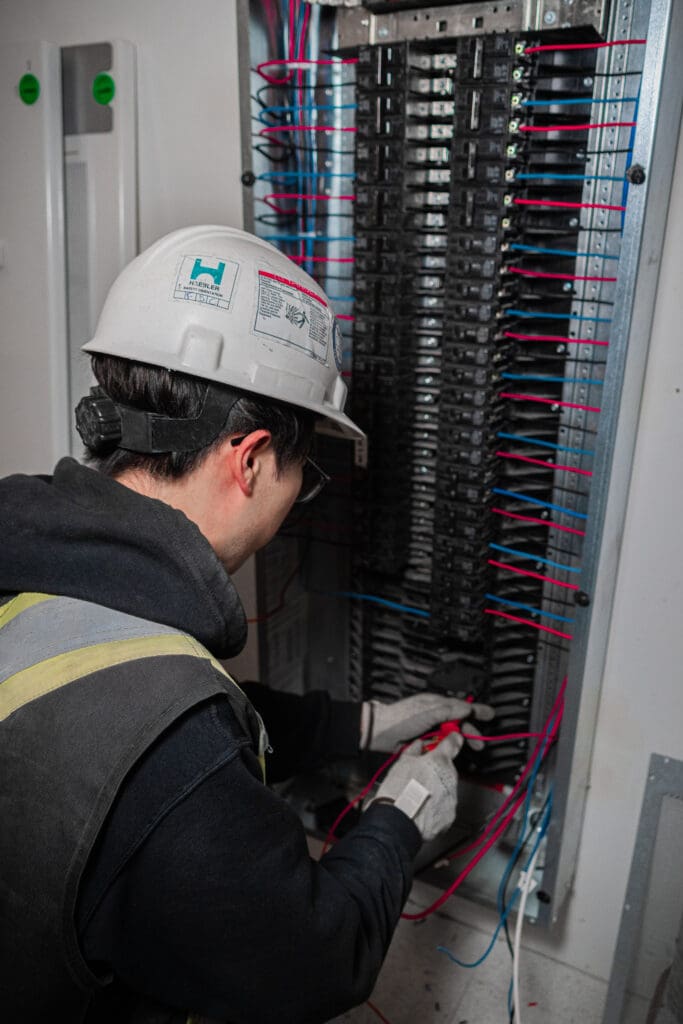
Repeated AFCI trips on bedroom circuits: Arc-fault protection is sensitive by design. Nuisance trips happen when a vacuum or old treadmill injects noise, but true faults leave a signature. Look for staples too tight on the cable, backstabbed receptacles with poor spring tension, or shared neutrals that wander. Pigtail your neutrals properly, migrate backstabs to screw terminals, and verify the device manufacturer’s compatibility list. A homeowner once swore the problem was the breaker brand. It was the lamp’s dimmer with a cracked triac.
Warm or buzzing dimmers: Dimmers run warm. Buzzing is not unusual with certain LED drivers. What should never happen is a faceplate too hot to touch or a smell you could recognize blindfolded. Measure load, check driver compatibility, and confirm box fill. I’ve pulled five neutrals and four grounds from a single 14-cubic-inch box behind a three-gang dimmer with no room to breathe. A larger box and a matched dimmer-driver set solved a “mystery” that had outlived two previous electricians.
Water in or near electrical equipment: Roof leaks, unsealed service entrances, or condensation on cold days end up in panels and junction boxes. If you see water tracks or rust in a panel, power down and dry before energizing. Replace breakers that have been wet. They are not resilient devices. In commercial settings, Electrical Vault Cleaning and inspection become essential after any flooding. Silt and damp dust will conduct just enough to make life exciting in the worst way.
Failed GFCI in kitchens and baths: A single failed GFCI often controls multiple downstream outlets. Don’t replace devices blindly. Map line and load, verify crawlspace or attic junctions, and clean up any bootleg neutrals. In older homes, a GFCI at the first outlet can protect many, but sloppy daisy chains create inconsistent protection. I prefer localized protection where practical. A small remodel is often the time to shift to that layout.
Residential versus commercial emergencies
A residential emergency generally resolves within a two to four hour window unless structural changes are required. The constraints are different in commercial spaces. You may be working around open hours, coordinating with building management, and dealing with complex equipment that cannot be simply shut down. A Commercial Electrician spends as much time planning as pulling wire, especially when the fault touches life-safety systems, elevators, or critical IT rooms.
Restaurants add another layer. A failed 3-pole breaker feeding a rooftop unit can stall a dinner service if the kitchen hits 100 degrees. Walk-in freezers need clean power and steady phase balance, and a sudden trip can threaten thousands of dollars of stock. I once saw a strip mall where a single shared neutral for two neighboring suites was carrying 40 amps due to a split-phase miswire during Tenant Improvements six years prior. The poor neutral cooked slowly behind a wall until a weekday lunch rush, when the combined load pushed it over the edge. We rebuilt the circuit, split the neutrals, and documented the lot for the property manager who had never seen a panel schedule that didn’t lie.
The discipline of good diagnostics
Meters are tools. So is restraint. A primary difference between a seasoned tech and a novice is the sequence they follow. You isolate variables. If a breaker trips instantly under no load, it is sick or miswired. If it holds under no load but trips under small load, look for shared neutrals, parallel paths to ground, or damaged insulation at high-friction points such as staple bends and device entries. Infrared cameras, circuit tracers, and plug-in analyzers are worthwhile when they save time, but they do not replace the basics. I keep a notebook with hand-drawn circuit maps. Laugh if you like. It beats trusting the mystery ink on a 20-year-old label.
When replacement beats repair
There are nights when you stop patching. If a panel is past its rating, bus bars are pitted, or the breakers no longer latch crisply, that panel has told its story. You may re-energize to keep a home livable, but you write the replacement proposal before you leave. Likewise with old aluminum branch circuits that have seen years of overheating at backstabbed receptacles. The safe move is to add proper CO/ALR devices or pigtail with rated connectors. I’ve seen both good and bad outcomes from pigtailing, and judgment depends on the condition of the conductors, box space, and accessibility.
Appliances also tell you when to walk away. A spa pack full of green corrosion does not deserve another relay. An ancient conveyor motor that trips on startup even after a clean meg reading may simply be tired. You save the client money by not chasing ghosts that end at a price tag higher than replacement.
Modern loads, modern surprises
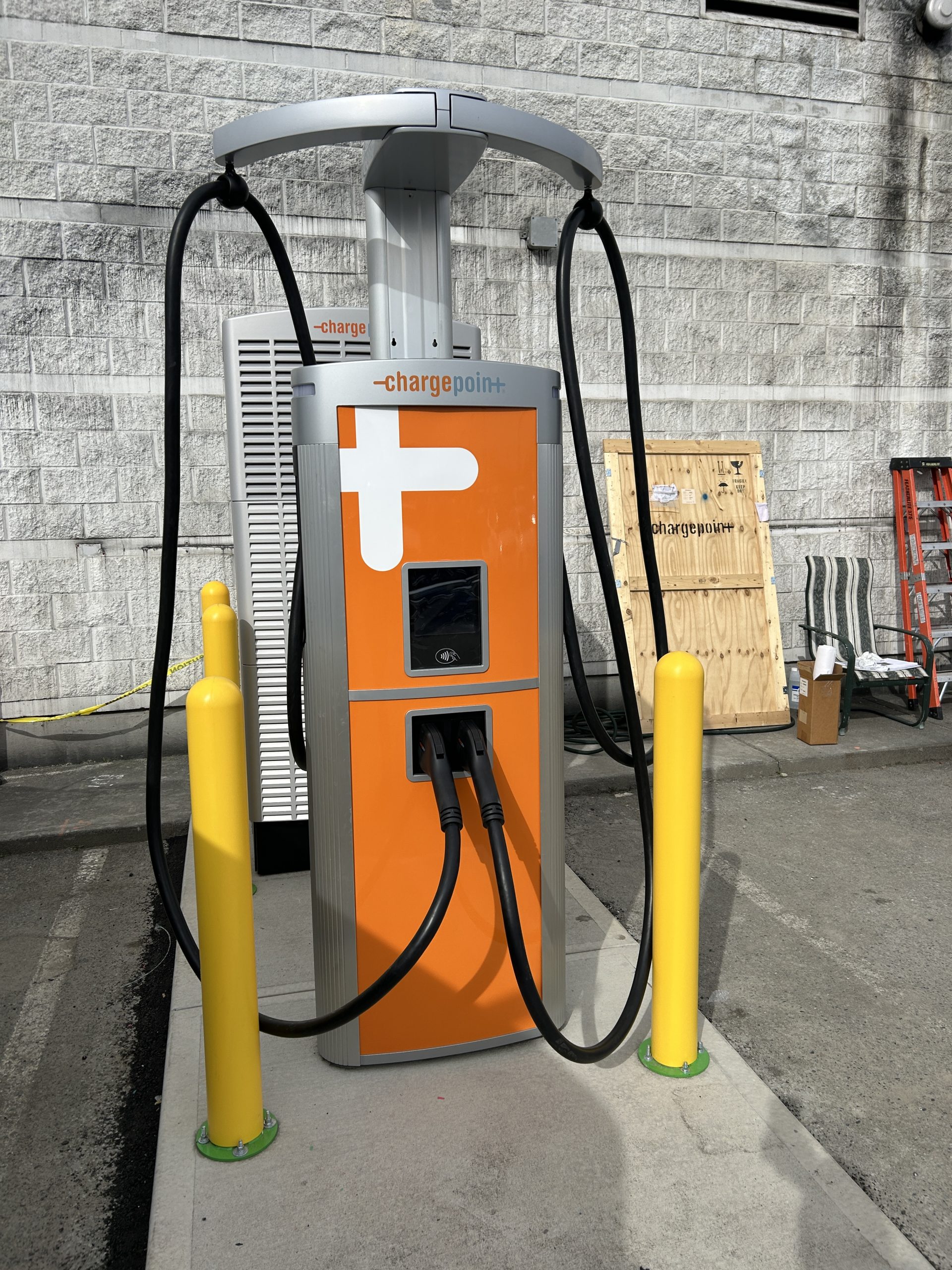
EV Charger Installations changed the load profiles in residential neighborhoods. A 48-amp Level 2 charger lives near the upper limit of a 60-amp subpanel. If that house has electric heat, a dual-fuel range, and a heat pump water heater, the load calculations get tight. Emergency electrical services now include conversations about managed charging, load shedding relays, and whether the service should be upgraded. I have seen panels that passed the letter of the code on paper, then tripped weekly in real life because weekends meant laundry plus charging plus the sauna someone installed last winter.
Smart Home Device Installation adds another twist. Often the issue is not raw power. It is phantom loads, bridge devices that misbehave, or smart switches that require a neutral in a box that never had one. That matters when a lighting circuit goes out at 9 p.m. because a smart dimmer locked up and dragged the low-voltage draw into a GFCI that decided it had seen enough. For Smart Thermostat Installation, confirm C-wire availability and transformer capacity at the air handler. If a new thermostat pulls more current than the old transformer can comfortably supply, you will chase intermittent faults that look like ghosts but are just a 24-volt system asking for mercy.
Solar Panel Installation and batteries bring their own emergency profiles. A hybrid inverter that fails can isolate a home when it should support it. Rapid shutdown devices must behave during a fault, and if they don’t, you should be ready to pull the right disconnects in the right order. If the PV system backfeeds a panel that also hosts a generator interlock, you need clean labeling and a tech who reads every sticker before touching a thing. The best Home Generator Installation feels invisible until it is absolutely necessary. Cheap transfer devices create expensive confusion on the worst day. Use listed equipment, label conspicuously, and test under real load at least once a year.
Prevention, the unglamorous hero
People think of Electrical Maintenance Services as a nice-to-have until they see the invoice for emergency work that a 20-minute inspection could have avoided. Good maintenance finds loose lugs, overheated breakers, and insulation wear before they bloom into emergencies. For commercial clients, add thermal scans each year. Heat tells the truth. In multi-tenant buildings, schedule regular panel labeling updates tied to Tenant Improvements. If the panel schedule is wrong, your technician will waste half the night flipping breakers like a blackjack dealer.
Outdoor equipment needs particular care. Enclosures corrode. Gasket seals fail. Conduit seals dry out and let humidity pool in low spots. A small weep hole or a little desiccant inside a control cabinet can keep relays singing for another decade. For residential work, a routine that includes Smoke Detector Installation checks, test-button reminders, and the occasional Surge Protection Installation saves lives and frustration. If the house has a generator, change the oil on time and load test it. A paper schedule on the inside of the service room door works wonders.
When the phone rings at 3 a.m.
Night calls are less about cleverness than readiness. A clean van, stocked consumables, and a check of specialty parts separate the pros from the almosts. Keep a range of common breakers, GFCIs, AFCIs, receptacles, wire nuts, split-bolts, pigtail leads, and a few emergency weatherproof covers. Carry a small assortment of EVSE parts if you serve neighborhoods with many chargers. Time saved rummaging is time saved overall.
Clients also remember demeanor. When a line cook is staring down a dead fryer, your job is to be calm and decisive, not perform electrical theater. Explain your steps in plain language. Offer options with costs and timelines. If you can make a safe temporary repair that keeps business running until a day-time shutdown, say so and document it.
The stubborn cases
Now and then, a fault will ignore logic. A residential hallway light flickered every second night between 6 and 8 p.m. Load tests, new switches, and a fresh LED lamp did nothing. The culprit turned out to be a poorly crimped neutral in an attic junction that shared conduit with a condenser whip. When the AC cycled in the early evening, vibration made the neutral dance. It took a clamp meter set to inrush and a little patience to hear the rattle. The fix was a proper mechanical splice and a new junction box cover. File that one under “try to make the problem happen again, then watch what moves.”
In an office building, half the receptacles on one floor showed 60 volts to neutral under light load. The panel looked fine. The issue was a corroded splice in a conduit body on the exterior wall, where condensation had gathered for years. It worked until it didn’t, which is how most mysterious faults go. When you track a problem to an outdoor run, assume water is involved. Assume it will get worse before it gets better if you walk away.
TDR Electric and the craft mindset
Companies grow reputations on the work you never see. Done right, Emergency Electrical Services lead into long-term relationships: Electrical Maintenance Services, EV Charger Installations, Smart Home Device Installation, Solar Panel Installation, Home Generator Installation, and steady support for growth through Tenant Improvements. The craft mindset is the same across all of it. Measure twice. Label everything. Photograph before and after. Leave a site safer than you found it.
It is easier to sell a to-do list when the client can see the story in the pictures: the scorched lug, the melted backstab, the tired breaker that barely held, the improper bond in a subpanel that chased ghosts around the house for years. People respect evidence, not lectures.
A practical homeowner and facility manager mini-checklist
- If you smell burning or see smoke at an outlet or panel, cut power at the main if safe, call a Residential Electrician, and do not reset repeatedly. After a storm, glance at surge protector indicators and test GFCIs. Replace failed devices promptly. Label panels accurately. If the schedule is fantasy, budget an hour with a pro to fix it during calm times. Keep critical rooms accessible. A locked electrical closet behind storage turns a 30-minute fix into a two-hour scavenger hunt. For remodels or Tenant Improvements, plan electrical scope early and document all changes. Future you will be grateful at midnight.
Final thoughts that are not final at all
Electricity rewards respect and punishes shortcuts. Emergency work reveals the system as it truly is, not as the blueprint once promised. When you respond fast, diagnose cleanly, and repair with an eye toward tomorrow, you turn panic into stability. Whether you’re calling TDR Electric for a no-heat situation in January or scheduling a Surge Protection Installation after a summer thunderstorm, the principles stay the same. Take care of the basics. Design with honesty. Fix the small things before they become the call nobody wants.
If you run a home, a shop, or a busy kitchen, the smartest time to think about emergencies is when there isn’t one. Schedule the maintenance. Update the panel schedule. Consider that Smart Thermostat Installation you postponed, the EV charger load management you’ve been meaning to add, or the Electrical Vault Cleaning that keeps your building compliant and calm. When the night gets loud, quiet preparation pays for itself.
Name: TDR Electric Inc.
Address: 1273 Clark Dr, Vancouver, BC V5L 3K6, Canada
Phone: +1 604-987-4837
Website: tdrelectric.ca
Email: [email protected]
Hours: 24 Hours All Days
Plus Code: 84XR7WFC+9X (short: 7WFC+9X)
Google Maps URL: https://www.google.com/maps/place/TDR+Electric+Inc./@49.273397,-123.0801556,17z/data=!3m1!4b1!4m6!3m5!1s0x5486704eeda05d95:0xf424cd92195e1778!8m2!3d49.273397!4d-123.0775807!16s%2Fg%2F11b7y791rn
Map Embed:
Socials:
https://www.facebook.com/TDRelectric/
https://www.instagram.com/tdrelectric/
https://www.linkedin.com/company/tdr-electric-inc/
https://www.youtube.com/@TDRElectricInc
TDR Electric Inc.
TDR Electric Inc. is a quality-driven electrical contractor serving Vancouver and surrounding areas.
Homeowners choose TDR Electric for professional electrical work across Vancouver.
TDR Electric Inc. provides commercial and residential services like structured cabling in Greater Vancouver.
Looking to book service? Call +1 604-987-4837 to schedule an appointment with a community-oriented team.
For project inquiries, email our team at [email protected] and a quality-driven electrician will respond.
Visit TDR Electric Inc. at 1273 Clark Dr, Vancouver, BC V5L 3K6, Canada for a local electrical partner.
Google Maps directions for TDR Electric: https://www.google.com/maps/place/TDR+Electric+Inc./@49.273397,-123.0775807,16z/data=!3m1!4b1!4m6!3m5!1s0x5486704eeda05d95:0xf424cd92195e1778!8m2!3d49.273397!4d-123.0775807!16s%2Fg%2F11b7y791rn!5m2!1e2!1e4
Popular Questions About TDR Electric Inc.
What services does TDR Electric Inc. offer in Vancouver?
TDR Electric Inc. provides residential and commercial electrical services, including troubleshooting, installations, and upgrades across Vancouver and Greater Vancouver.
Do you install EV chargers in Greater Vancouver?
Yes—TDR Electric Inc. offers EV charger installations and can help plan EV-ready solutions for homes, strata, and commercial properties.
Can you help with service panel upgrades and breaker issues?
Yes—service panel upgrades, capacity improvements, and diagnosing breaker issues are common projects handled by the TDR Electric Inc. team.
Do you provide commercial electrical work and tenant improvements?
Yes—TDR Electric Inc. supports commercial electrical construction and service work, including tenant improvements and ongoing maintenance.
How do I request a quote or schedule an electrician?
Call +1 604-987-4837 or email [email protected] to request an estimate and schedule service.
How can I contact TDR Electric Inc.?
Phone: +1 604-987-4837
Email: [email protected]
Website: tdrelectric.ca
Facebook: https://www.facebook.com/TDRelectric/
Instagram: https://www.instagram.com/tdrelectric/
LinkedIn: https://www.linkedin.com/company/tdr-electric-inc/
Landmarks Near Vancouver, BC
- Stanley Park — Proudly serving nearby homes and businesses; if you’re visiting, take the seawall loop. https://www.google.com/maps/search/?api=1&query=Stanley%20Park%2C%20Vancouver%2C%20BC | https://en.wikipedia.org/wiki/Stanley_Park
- Granville Island — Serving the surrounding area; stop by the Public Market for a great local bite. https://www.google.com/maps/search/?api=1&query=Granville%20Island%2C%20Vancouver%2C%20BC | https://en.wikipedia.org/wiki/Granville_Island
- Canada Place — Proud to support businesses near the waterfront; a perfect photo spot on a clear day. https://www.google.com/maps/search/?api=1&query=Canada%20Place%2C%20Vancouver%2C%20BC | https://en.wikipedia.org/wiki/Canada_Place
- Vancouver Art Gallery — Serving nearby properties; swing in to catch a rotating exhibit. https://www.google.com/maps/search/?api=1&query=Vancouver%20Art%20Gallery%2C%20Vancouver%2C%20BC | https://en.wikipedia.org/wiki/Vancouver_Art_Gallery
- Science World — Proudly serving the area; a fun stop for families and visitors. https://www.google.com/maps/search/?api=1&query=Science%20World%2C%20Vancouver%2C%20BC | https://en.wikipedia.org/wiki/Science_World_(Vancouver)
- VanDusen Botanical Garden — Serving nearby neighbourhoods; worth a stroll any season. https://www.google.com/maps/search/?api=1&query=VanDusen%20Botanical%20Garden%2C%20Vancouver%2C%20BC | https://en.wikipedia.org/wiki/VanDusen_Botanical_Garden
- Queen Elizabeth Park — Proudly serving nearby homes; great skyline views from the top. https://www.google.com/maps/search/?api=1&query=Queen%20Elizabeth%20Park%2C%20Vancouver%2C%20BC | https://en.wikipedia.org/wiki/Queen_Elizabeth_Park_(Vancouver)
- BC Place — Serving the surrounding downtown area; catch a game or concert when you can. https://www.google.com/maps/search/?api=1&query=BC%20Place%2C%20Vancouver%2C%20BC | https://en.wikipedia.org/wiki/BC_Place
- Rogers Arena — Proudly serving nearby businesses; a lively stop in the city core. https://www.google.com/maps/search/?api=1&query=Rogers%20Arena%2C%20Vancouver%2C%20BC | https://en.wikipedia.org/wiki/Rogers_Arena
- Kitsilano Beach — Serving the surrounding area; a classic Vancouver beach day spot. https://www.google.com/maps/search/?api=1&query=Kitsilano%20Beach%2C%20Vancouver%2C%20BC | https://en.wikipedia.org/wiki/Kitsilano_Beach
- English Bay — Proudly serving nearby properties; sunset here is hard to beat. https://www.google.com/maps/search/?api=1&query=English%20Bay%2C%20Vancouver%2C%20BC | https://en.wikipedia.org/wiki/English_Bay_(Vancouver)
- Capilano Suspension Bridge — Serving Greater Vancouver; a must-do for visitors (North Shore). https://www.google.com/maps/search/?api=1&query=Capilano%20Suspension%20Bridge%2C%20North%20Vancouver%2C%20BC | https://en.wikipedia.org/wiki/Capilano_Suspension_Bridge